Here's the honest answer upfront: as of March 2026, you cannot legally grow cannabis at home in Florida as a general adult or as a medical patient. how to legally grow pot Not yet. Florida's current medical marijuana law actively prohibits home cultivation, and the adult-use amendment passed in 2024 did not include a home grow provision. There is a bill moving through the 2026 legislative session, Senate Bill 776, that would change this for qualifying medical patients, but it has not become law. So if you're reading this today hoping to plant seeds in your backyard or set up an indoor tent legally, you need to know that the legal pathway does not exist yet, and jumping ahead of the law carries real consequences. This guide will walk you through exactly where things stand, what SB 776 would allow if it passes, what you'd need to do to qualify and set up compliantly, and how to be ready to grow the moment it becomes legal.
How to Grow Weed Legally in Florida: Medical Steps
Florida's legal landscape for home cannabis cultivation
Florida has two separate cannabis frameworks running side by side right now, and neither one lets you grow at home. Understanding the difference matters a lot, because they affect different groups of people and could open different doors down the road.
Medical cannabis under § 381.986
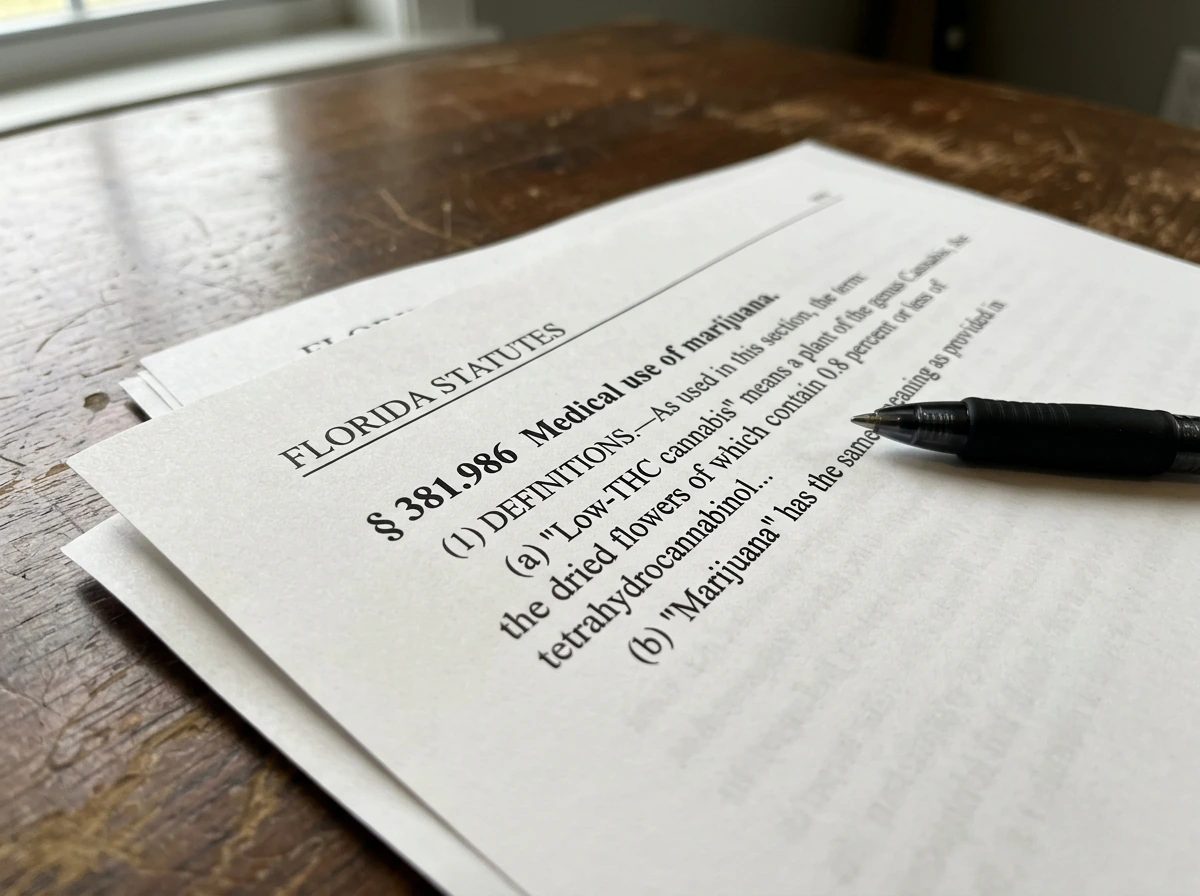
Florida's medical marijuana program is governed by Florida Statutes § 381.986. Under this law, qualified patients and their registered caregivers can legally possess and use cannabis products, but only those dispensed by a licensed Medical Marijuana Treatment Center (MMTC). The statute is blunt about home cultivation: the Department of Health can revoke a patient's or caregiver's registration if they cultivate marijuana, or if they obtain cannabis from any source other than a licensed MMTC. That means growing even one plant at home, as a medical patient, is grounds for losing your medical cannabis access entirely, plus potential criminal exposure under Florida's controlled substance statutes.
The law also defines marijuana broadly, covering all parts of the Cannabis plant including seeds and resin. Low-THC cannabis (at most 0.8% THC and more than 10% CBD) gets its own classification, but it's still dispensed exclusively through MMTCs. There is no carve-out that lets you grow your own low-THC plants at home just because they're technically hemp-adjacent.
Adult-use (recreational) cannabis and Amendment 3
Florida voters approved Amendment 3 in November 2024, which established a regulated adult-use cannabis framework for adults 21 and older. However, the amendment as passed does not include a home cultivation provision. Adults can legally possess and consume cannabis purchased from licensed retailers, but growing your own plants at home is not part of what Amendment 3 authorized. Home cultivation for recreational users remains illegal under Florida law.
Senate Bill 776: the home cultivation proposal for 2026
Senate Bill 776, filed by Senator Carlos Guillermo Smith, is the active proposal that would change things for medical patients. If passed, it would allow certain qualified patients to cultivate up to six flowering cannabis plants at home for personal, noncommercial use. It would also allow patients to purchase seeds or clones directly from licensed treatment centers as a legal starting point. As of this writing, SB 776 has not been signed into law. It is a bill in progress. Check the Florida Senate website for current status before making any cultivation decisions based on it.
Eligibility and registration steps for medical cannabis cultivation
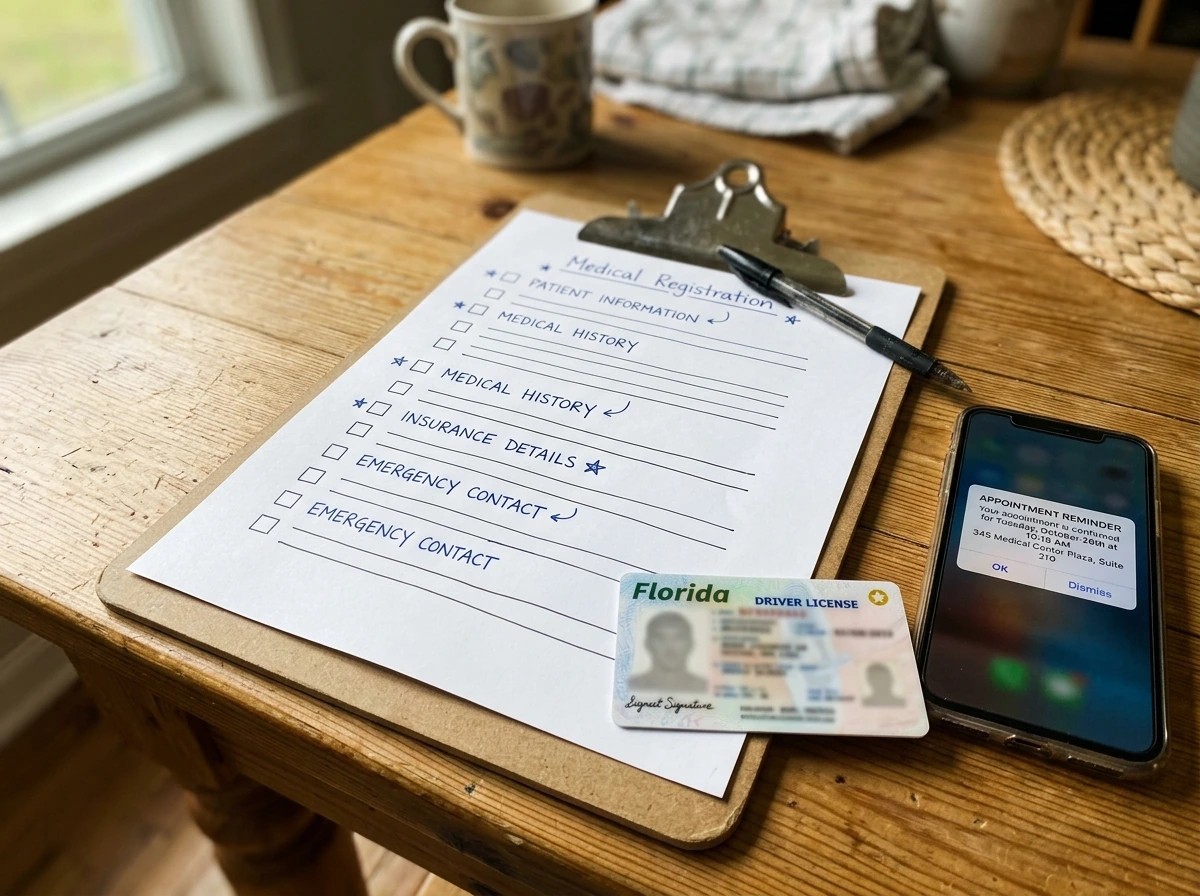
Assuming SB 776 or a similar bill passes and home cultivation becomes legal for medical patients, here is what the eligibility and registration process would look like based on the existing medical program structure plus the proposed bill's framework. This is what you'd need to have in place before planting a single seed.
- Get a qualifying diagnosis: Florida's medical marijuana program requires a documented qualifying condition. These include cancer, epilepsy, glaucoma, HIV/AIDS, PTSD, ALS, Crohn's disease, Parkinson's disease, multiple sclerosis, and other debilitating conditions determined by a licensed physician. You must be a Florida resident.
- See a qualified physician: You need a physician who is certified by the Florida Department of Health to order medical cannabis. They will evaluate your condition and, if appropriate, enter you into the Medical Marijuana Use Registry (MMUR).
- Register with the MMUR: Once your physician enters your information, you apply for your Medical Marijuana Use Registry ID card through the Florida Department of Health. There is a registration fee (currently $75, with reduced fees available for low-income patients).
- Designate a caregiver if needed: If you cannot manage your own care, you can register a caregiver. Caregivers must also be on the MMUR and are subject to the same rules as patients.
- Comply with any additional home cultivation registration requirement: Under the proposed SB 776 framework, there would likely be an additional registration step or notation on your existing registry ID specifically authorizing home cultivation. The exact mechanism depends on the final law. Watch for Florida DOH guidance once a bill passes.
One thing worth noting: the existing medical program is tightly tied to registry authorization. Your legal protections as a patient flow directly from being properly registered. If you're not on the MMUR and you're caught with cannabis plants, you have zero legal cover, no matter how sick you are or how good your intentions are.
Rules for your grow setup: location, plant limits, and compliance
When home cultivation becomes legal (and the rules below are based on SB 776's proposed framework and standard state medical program compliance patterns), the rules governing your physical setup will matter just as much as your registration status. Getting these wrong is one of the easiest ways to accidentally fall outside the law.
Plant count limits
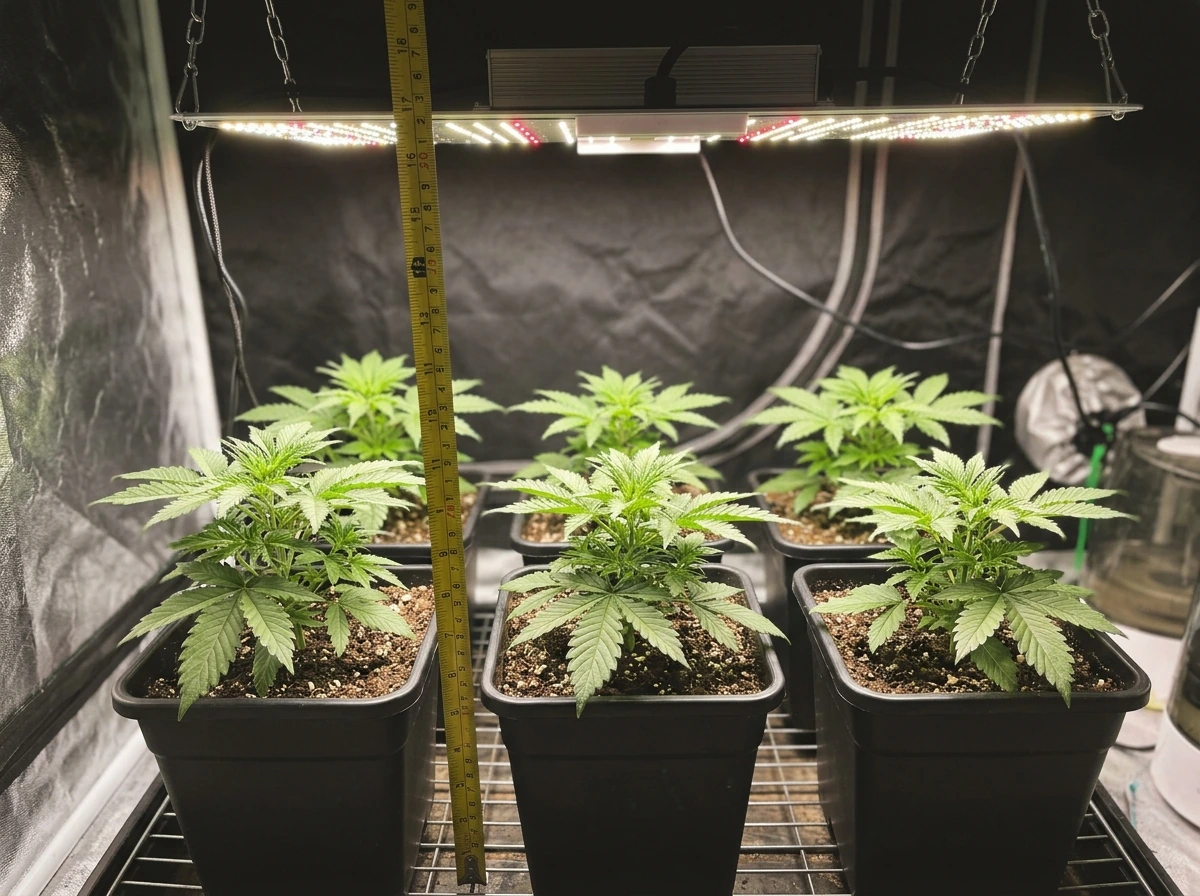
SB 776 proposes a limit of six flowering cannabis plants per qualified patient for personal, noncommercial use. That means six plants in flower at any given time. Whether this also restricts vegetative plants or seedlings depends on how the final law is written. In states with similar frameworks, the plant count typically applies to all stages of growth, so plan for a total canopy of six plants maximum until you see the exact language in any enacted law.
Where you can grow
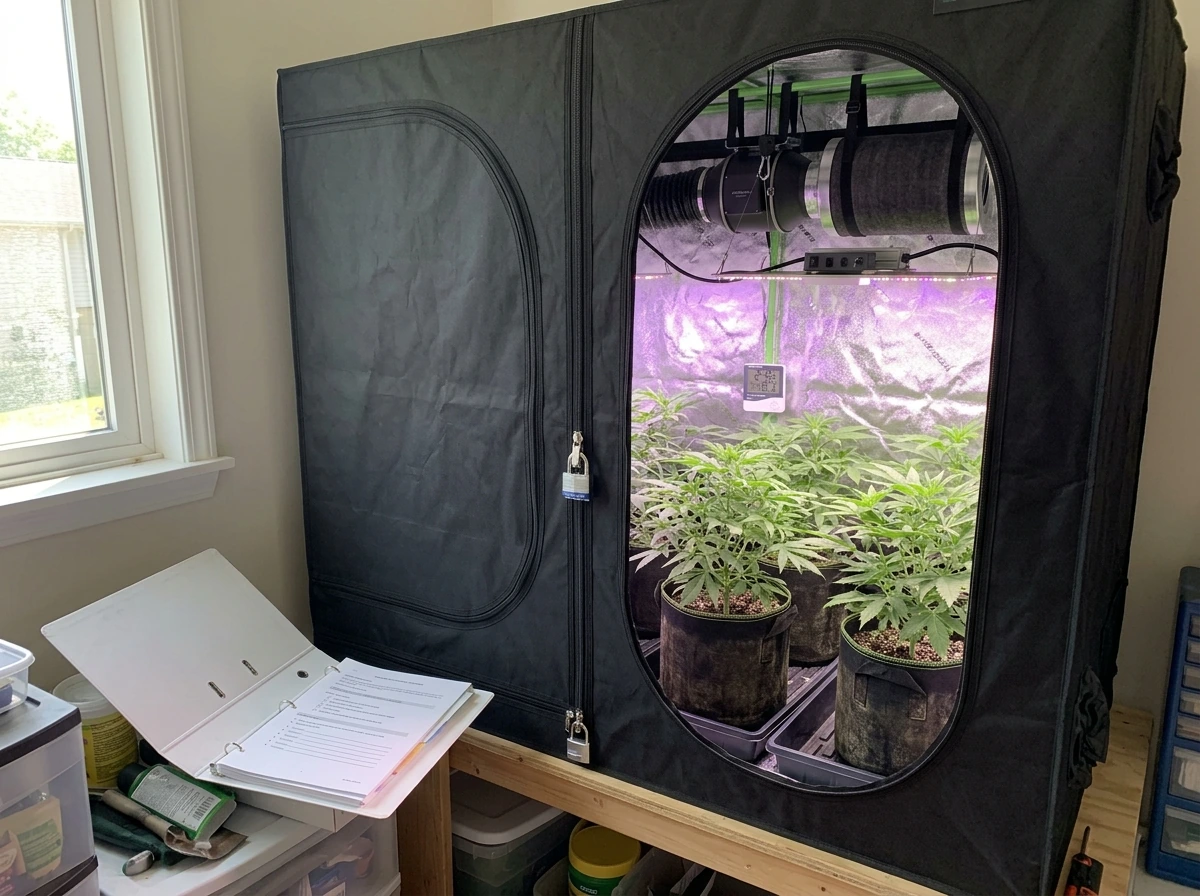
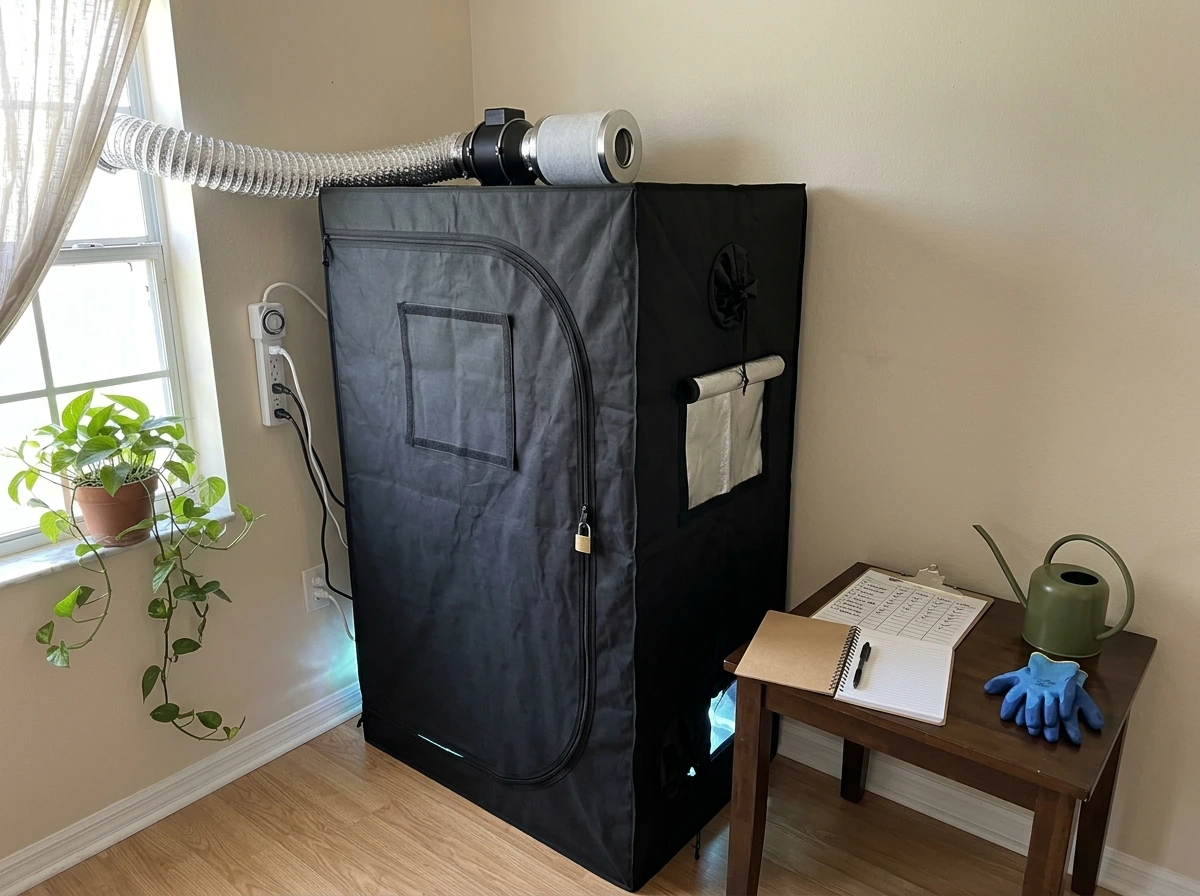
Expect location restrictions similar to those in other state medical home grow programs. Based on typical regulatory patterns, plants will likely need to be grown on your own private property, out of public view, and in a locked and enclosed space. This means a dedicated indoor room or tent, a locked greenhouse, or a secured outdoor enclosure. Growing in a place visible from a public street or neighboring property will almost certainly be prohibited. If you rent, you will need your landlord's permission, and some lease agreements prohibit cannabis cultivation outright regardless of state law.
Security and compliance expectations
Even in a home setting, expect the law to require that your grow is inaccessible to minors. A locking mechanism on the grow room or grow tent is the minimum. Some states also require recordkeeping, meaning you keep a log of your plants, when you started them, and what you harvested. I'd recommend building this habit regardless of whether it's technically required, because it protects you if you're ever questioned. Keep your physician's recommendation, your MMUR ID card, and any cultivation authorization paperwork accessible at your grow location. The idea is that if law enforcement ever shows up, you can demonstrate compliance immediately rather than scrambling.
Possession and use limits after harvest
Under the current medical program, the amount of cannabis a qualified patient can possess is tied to what their physician has ordered. Home-grown cannabis, once legal, would still count toward your allowable possession amount. You cannot sell, trade, or give away homegrown cannabis to anyone, even other patients, without becoming an unlicensed distributor under Florida law. It's for personal use only.
Choosing strains and getting seeds or clones legally
One of the most underappreciated legal tripwires in home cultivation is where your seeds or clones come from. SB 776 specifically addresses this: if passed, it would allow qualified patients to purchase seeds and clones directly from licensed Medical Marijuana Treatment Centers. That matters because walking into a dispensary today and buying seeds is not currently an option, and buying them from an unlicensed internet seed bank or a friend would put you outside the law even if home cultivation becomes legal.
When licensed seed and clone sales do become available, here's how to think about strain selection for Florida's conditions. Florida is hot, humid, and subtropical, which creates both advantages and challenges for cannabis cultivation.
Strains for outdoor and greenhouse growing in Florida
Florida's outdoor environment favors sativa-dominant and tropical strains that evolved in similar climates. Look for strains with mold and humidity resistance, since Florida's summer humidity regularly tops 80%, which is prime territory for botrytis (bud rot) and powdery mildew. Strains with looser bud structure dry out faster between the nodes and are more forgiving in humid conditions than dense indica flowers. Autoflowering strains are also worth considering outdoors because they flower based on age rather than light cycle, letting you run multiple harvests in a year without waiting for the natural light schedule to shift.
Strains for indoor growing
Indoors, you control the environment, so Florida's climate becomes less relevant. For beginners, indica-dominant or balanced hybrid strains that stay shorter (under four feet) are easier to manage in a small tent or grow room. Strain stability matters too: look for feminized seeds rather than regular seeds so you're not sorting out male plants (which don't produce usable flowers and will pollinate your females, seeding your whole crop). For a first grow, a well-documented strain with beginner-friendly notes and a shorter flowering time (8 to 9 weeks) reduces your risk of making expensive mistakes.
A beginner seed-to-harvest roadmap
This is the practical cultivation part, and if you've spent time on this site before, you already know the basics of how to grow pot from seed to harvest What follows is a condensed, Florida-relevant roadmap covering the three main methods: indoor soil, outdoor, and hydroponic. Each has valid trade-offs, and none is objectively better than the others. Choose based on your space, budget, and how much daily attention you can give.
Indoor soil grow
Indoor growing gives you the most control and the most privacy, which matters for legal compliance. You'll need at minimum a grow tent (a 2x4-foot tent is enough for up to four plants under the six-plant limit), a full-spectrum LED grow light (200 to 300 watts for a 2x4 space), an inline fan with a carbon filter for odor, fabric pots (3 to 5 gallons), a quality cannabis-specific potting mix, and a pH meter and nutrient line.
- Germination (Days 1-7): Place your seed between damp paper towels in a warm (75-80°F) spot. Once the taproot reaches about half an inch, plant it taproot-down in a small starter pot with moist, lightly aerated medium. Keep humidity at 65-70% and lights on an 18/6 schedule.
- Seedling stage (Days 7-21): Your seedling needs light but not intense nutrients yet. Keep lights at moderate intensity, water sparingly (let the top inch of soil dry out between waterings), and maintain temperatures of 70-80°F during lights-on. No nutrients until the third or fourth set of true leaves.
- Vegetative stage (Weeks 3-8): This is when your plant builds its structure. Maintain 18 hours of light, temperatures of 70-85°F, and humidity around 50-60%. Start a basic nutrient protocol: a grow-stage formulation higher in nitrogen (N-P-K ratio around 3-1-2) dosed at half the recommended rate initially, increasing as the plant responds well. Water when the top 1-2 inches of soil are dry. pH your water and nutrient solution to 6.0-7.0 for soil.
- Flip to flower (Week 8 or when plants reach half your target height): Switch your light cycle to 12/12 (12 hours on, 12 hours off). Plants will typically double in height during the first two to three weeks of flower (the 'stretch'). Shift nutrients toward a bloom formula higher in phosphorus and potassium (N-P-K around 1-3-2). Reduce humidity to 40-50% to prevent mold as buds develop.
- Flowering stage (Weeks 9-17, depending on strain): Monitor trichomes with a jeweler's loupe or pocket microscope. Harvest when the majority of trichomes are milky white with some turning amber, and most pistils (hairs) have darkened and curled in. This is the peak window for potency and effect.
- Flush (final 1-2 weeks): Stop nutrients and water with plain pH-adjusted water to clear residual nutrients from the medium.
Outdoor growing in Florida
Florida's long growing season is genuinely great for cannabis once you account for the heat and humidity. Start seeds or clones indoors in late February or March to give plants a vegetative head start before transplanting outdoors after the last frost risk (mid-March in most of Florida). Plants will begin flowering naturally as daylight hours shorten in late August and September, with harvest typically landing in October or November. Grow in large containers (15 to 25 gallons) rather than in-ground if possible, since containers let you move plants under cover during heavy rain and tropical storms. Water needs will be higher outdoors in summer heat. Weekly or twice-weekly deep watering beats daily shallow watering for root development. Pest pressure (aphids, spider mites, caterpillars) is more common outdoors, so inspect plants every few days. If you see powdery mildew beginning in late summer as humidity spikes, a diluted potassium bicarbonate spray applied early can stop it from spreading.
Hydroponic growing
Hydroponics delivers nutrients directly to the root zone in a water-based solution, and plants grown this way often finish faster and produce heavier yields than soil grows of the same strain. The trade-off is that mistakes (pH drift, nutrient imbalances) show up faster and need to be caught faster. A simple Deep Water Culture (DWC) setup, where roots hang in an aerated nutrient solution, is a good starting point for beginners willing to pay close attention. Keep reservoir temperature between 65-72°F to prevent root rot (a real risk in Florida's warm environment). pH for hydro should be tighter than soil: 5.5-6.5 is the target range, with 5.8-6.2 being the sweet spot for most nutrient uptake. Check pH daily. EC (electrical conductivity) measures nutrient concentration and should start around 0.8-1.2 mS/cm in early veg and build to 1.8-2.4 mS/cm in full flower. If you're just starting out and want to understand the full process in more depth before committing to hydro, it's worth spending time on the basics of how to grow pot before going straight to a more demanding system.
Harvest, curing, storage, and staying compliant afterward
A lot of growers put all their energy into the grow and rush the back end. Don't. Harvest timing, curing, and storage are what determine whether your final product is actually good, and the compliance piece doesn't stop at harvest.
Harvest timing
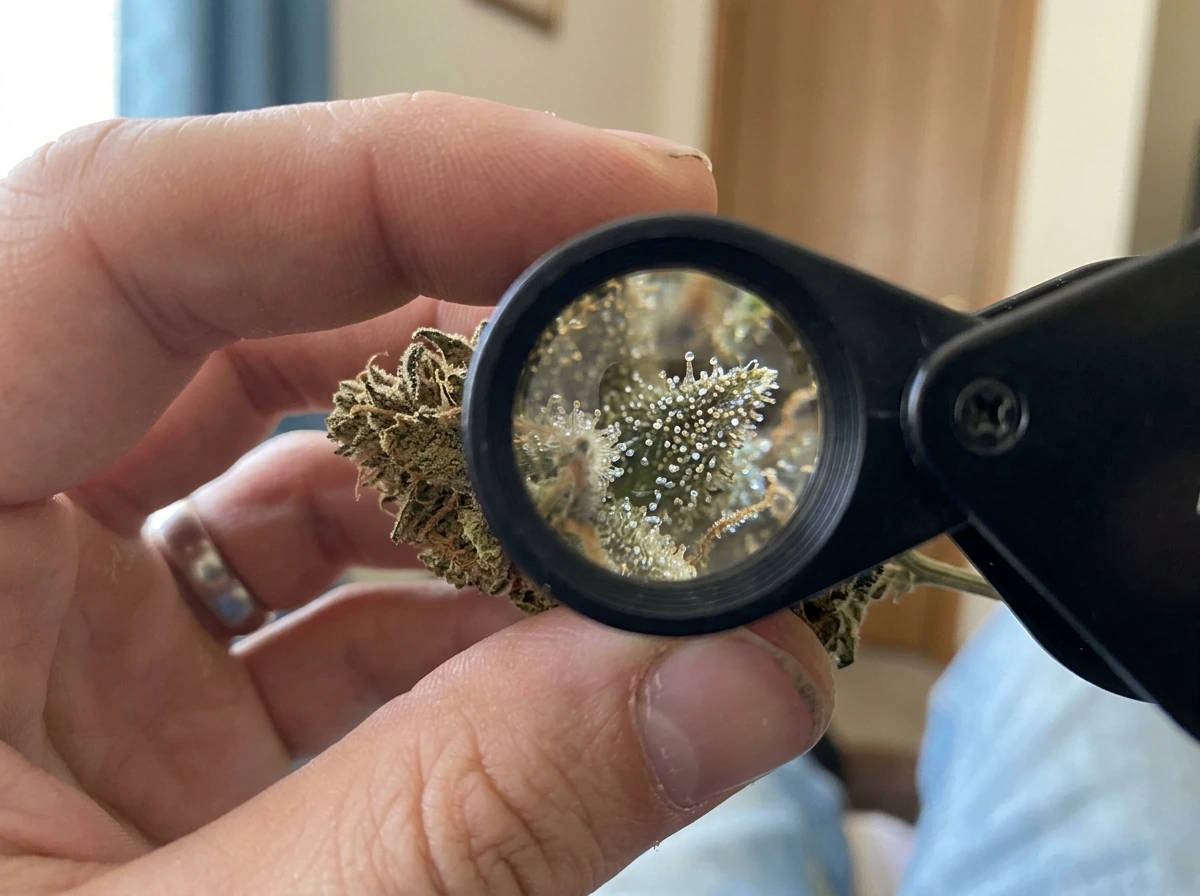
The single best tool for harvest timing is a 60x-100x jeweler's loupe or pocket microscope to examine trichomes up close. Clear trichomes mean the plant is immature. Milky (cloudy) white trichomes signal peak THC. Amber trichomes indicate THC is degrading into CBN, which produces a more sedative, body-heavy effect. Most patients prefer a harvest window of mostly milky with 10-20% amber. Check multiple buds from different parts of the plant, since lower buds often mature slightly later than the top cola.
Drying and curing
After harvest, hang trimmed branches (or whole plants if you prefer a slower dry) upside down in a dark, ventilated space at 60-70°F and 55-65% humidity. Florida's ambient humidity can push this range up quickly, so an AC unit or dehumidifier in your dry space is often necessary. Drying should take 7 to 14 days. The buds are ready to jar when small stems snap rather than bend. Place dried buds loosely in wide-mouth mason jars, filling them about 75% full. For the first two weeks, open the jars for 10-15 minutes once or twice daily (burping) to release moisture and exchange air. After two weeks, burping once every few days is enough. A 4-to-8-week cure dramatically improves flavor, smoothness, and the overall quality of your finished cannabis.
Storage and compliance after harvest
Store cured cannabis in airtight containers away from light and heat, ideally at 60-70°F. Avoid the refrigerator (temperature fluctuations cause moisture issues) and keep jars out of direct sunlight. For compliance purposes, keep your homegrown cannabis separate from any dispensary-purchased product and store it in a secure, locked location. Do not transport homegrown cannabis off your property in ways that could be mistaken for unlicensed distribution. Under the proposed SB 776 framework, home cultivation is strictly for personal consumption, meaning sharing, gifting, selling, or trading any of it crosses into illegal territory. Maintaining a simple log (date harvested, estimated yield, current inventory) protects you and demonstrates you're operating within personal use limits.
Common legal and compliance mistakes to avoid
You cannot sell, trade, or give away homegrown cannabis to anyone, even other patients, without becoming an unlicensed distributor under Florida law. personal use only.
- Growing before the law changes: This is the biggest one. SB 776 has not passed as of this writing. Growing today, as a Florida medical patient, still violates § 381.986 and can result in losing your medical cannabis registration entirely, plus criminal exposure. Wait for the law.
- Using seeds or clones from unlicensed sources: Even when home cultivation becomes legal, your seeds and clones must come from licensed MMTCs under the proposed framework. Buying from a friend, an online seed bank, or any unlicensed seller puts your entire legal compliance at risk. The source matters as much as the plant count.
- Misreading the plant count limit: Six flowering plants means six, not six per household member or six per strain. If SB 776 passes, the limit attaches to the individual registered patient, not the address. Confirm exactly how the enacted law defines the limit before scaling up.
- Growing in a visible or unsecured location: Out of public view and in a locked space are almost certainly going to be requirements. A grow tent in an unlocked garage or outdoor plants visible from the street likely violates location and security rules even if you're otherwise in compliance.
- Sharing or gifting homegrown cannabis: Any transfer of homegrown cannabis to another person, even another registered patient, would take you outside the personal-use authorization and into distribution territory under Florida law. Keep it strictly for yourself.
- Losing your registration and continuing to grow: If your MMUR registration lapses (missed renewal, change in physician status, etc.) while you have active plants, you're no longer covered. Keep your registration current and your physician relationship active.
- Relying on outdated information: Florida's cannabis law is actively evolving. SB 776 could pass, fail, or be amended significantly. Always verify the current status of any legislation at the Florida Senate website before acting on any guidance you read, including this one.
What to do right now if you want to be ready
The legal path to how to grow marijuanas in nevada is close but not open yet. how to grow marijuanas in nevada Here's what you can do today to be as ready as possible for when it is. If you're not already enrolled in the Florida medical marijuana program, start the process now: find a qualified physician, get your condition documented, and get onto the MMUR. That registry status is the foundation of everything else. While you wait, spend time understanding the actual cultivation process in detail. The grow itself is not complicated once you know the basics, but there's a real learning curve that's much easier to navigate without legal pressure. Read up on indoor vs. outdoor methods, think about your available space, and figure out what setup makes sense for your situation. When SB 776 or a similar bill passes, check the Florida DOH website for official guidance on any additional registration step required for home cultivation authorization, and verify which licensed MMTCs are selling seeds or clones. Then you'll be ready to move quickly and correctly from day one.
| Method | Best for | Florida-specific notes | Complexity for beginners |
|---|---|---|---|
| Indoor soil | Privacy, year-round growing, maximum control | AC and dehumidifier needed; Florida heat raises cooling costs | Low to moderate |
| Outdoor | Low cost, natural light, large yields | High humidity demands mold-resistant strains; storm and pest risk | Moderate |
| Hydroponic (DWC) | Faster growth, larger yields per plant | Reservoir cooling critical in Florida's heat; root rot risk is higher | Moderate to high |
FAQ
If I qualify for Florida medical marijuana, can I legally grow at home right now?
Not yet. As of now, Florida does not allow home cultivation for either adults or medical patients, so attempting to start plants at home can jeopardize your MMUR access and create criminal exposure. If SB 776 (or a similar law) is enacted, you would still need to ensure your cultivation is covered by your registration and any new DOH authorization steps that get added.
What counts as personal use if home grow becomes legal in Florida?
Yes, “personal use” still has hard boundaries. You generally cannot sell, trade, or gift homegrown cannabis to anyone, including other medical patients. Even sharing a small amount can be treated as distribution, so keep all plants and harvested product strictly for your own use.
Does the six-plant limit include seedlings and vegetative plants, or only flowering?
If SB 776 passes, a key practical requirement will likely be how you handle plant counts across growth stages. Since the bill mentions flowering plant limits, the final law may or may not include seedlings and veg plants in the same cap, but many frameworks treat the limit as a total across all stages. Until the enacted wording is clear, plan for the strictest interpretation (all stages included) to avoid accidentally exceeding the cap.
Can I grow outdoors or where neighbors could potentially see the plants?
Where you grow matters. Even if home cultivation becomes legal for qualified medical patients, plants are typically required to be out of public view, in a locked/enclosed area, and inaccessible to minors. If you can see the grow area from a street, neighbor’s yard, or common area, you should assume it is not compliant.
I live in an apartment, can I grow legally if Florida allows it later?
If you rent, get written confirmation from your landlord before you do anything. Some leases prohibit cannabis cultivation entirely, and a violation of your lease can become a separate non-criminal problem even if the state law changes later. Also be mindful of how odor and access controls are handled in shared housing.
Can I use seeds I already bought from an online seed bank if home grow becomes legal?
Seed sourcing can become the biggest legal risk. If a law like SB 776 is enacted, it would likely require purchasing seeds or clones from licensed MMTCs, not from random internet seed banks or friends. If you want to be ready on day one, wait until official MMTC seed or clone sales are actually available, then document the purchase.
What happens to my ability to grow if my MMUR status lapses or my registration is revoked?
The “blanket” possession rules will not automatically protect you if you are not registered correctly. The article emphasizes that your legal cover depends on MMUR authorization, and that cultivating outside the allowed framework can lead to revocation. So if you ever pause enrollment or lose your card, assume you would need to stop cultivation immediately.
Can I move my homegrown cannabis off my property, even temporarily?
You should assume homegrown cannabis must be kept separate from dispensary product in both storage and transport. The safest approach is a locked, clearly designated homegrown inventory location and no off-property movement. If you must transport for any reason, treat it as a high-risk area until Florida DOH and enforcement guidance provide clear rules.
What records should I keep to prove I stayed within the legal limits?
A compliance log helps, especially because it gives you a quick way to show inventory and timing if questions come up. The article recommends recordkeeping like start dates, harvested dates, estimated yield, and current inventory. Keep this information consistent with your plant count limits and possession amount constraints.
How do I know the law is finalized enough for me to start planning or buying equipment?
You should not change your plan based only on bill status headlines. SB 776 is still not law, and the final enacted text could differ on key points like plant counts, whether seedlings/veg are included, storage rules, and any required registration add-ons for home cultivation. Check official DOH guidance after enactment before you start any grow setup.
How to Legally Grow Pot: A Step-by-Step Home Guide
Step-by-step guide to grow cannabis legally at home, with jurisdiction checks, compliant setups, and safe selling rules.